
Denton, TX commercial roofing
Commercial Roofing Contractor in Denton, TX
Repair, replacement, inspections, maintenance, and coatings for low-slope commercial roofs. Call now or send a quick request and we will talk through your roof.
- Commercial and low-slope roofs only
- Serving Denton and North Texas
- Assessment request or direct call
Commercial roofing built for how Denton buildings work
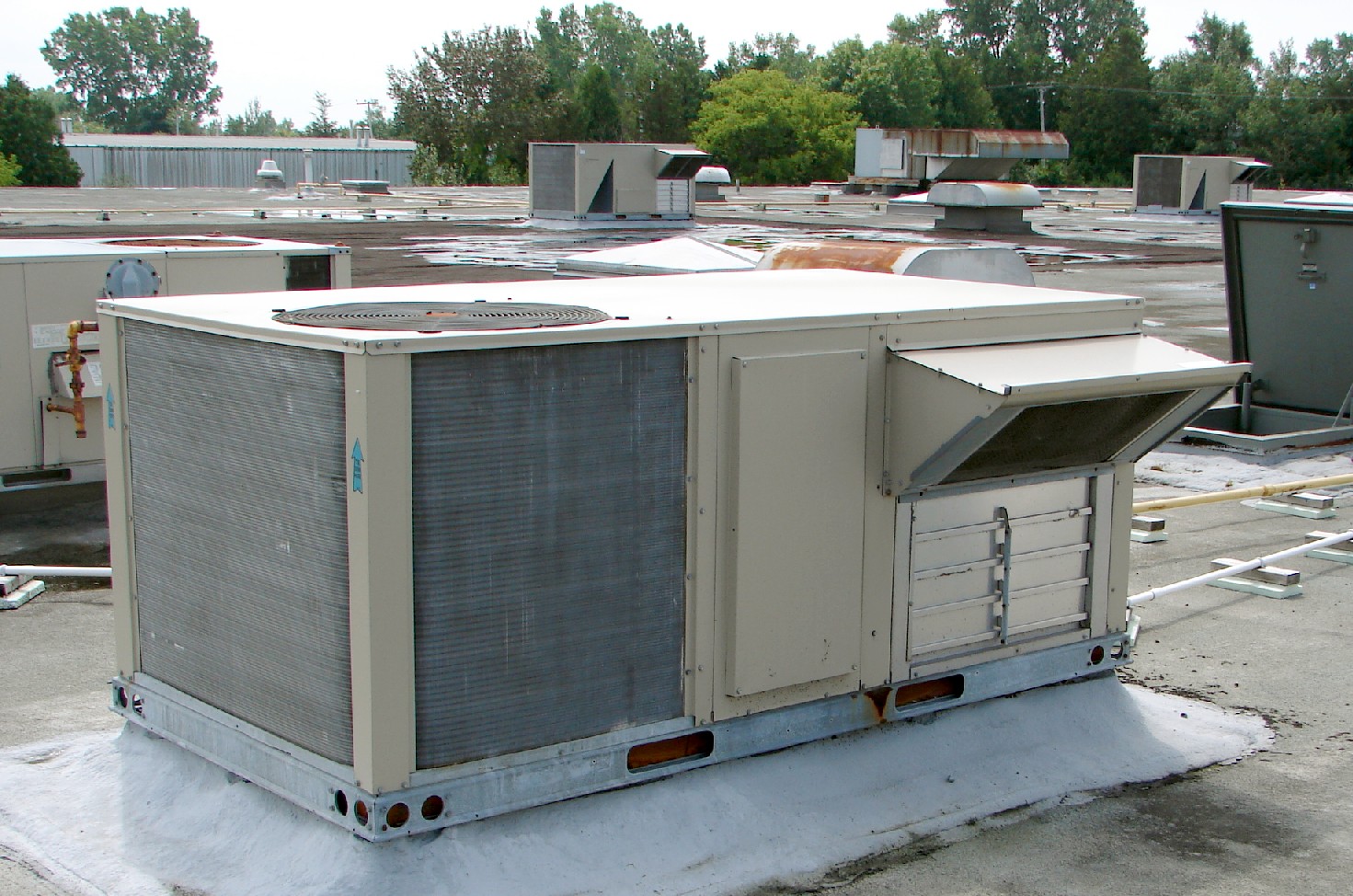
Denton runs on low-slope commercial buildings. Warehouses and distribution space along I-35E and I-35W, retail centers off Loop 288, offices, schools, and light-industrial shops all sit under flat or gently sloped roofs. Those roofs hold water instead of shedding it, they carry rooftop equipment and service traffic, and they age from the seams, edges, and penetrations inward rather than failing all at once.
We work only on commercial and low-slope roofs, so the answers you get are practical: repair or replace, whether a coating buys real time, and how to keep a sound roof from becoming an emergency during the next hail season. Below is a plain walk through the services, problems, and decisions, organized by building type and by the roof system involved, so you can call or request with a clear picture before you spend anything.
- Who we helpOwners, property managers, and facility managers of commercial buildings.
- What we handleRepair, replacement, inspections, maintenance, and coatings on low-slope roofs.
- Where we workDenton and the surrounding North Texas market.
Commercial roofing services in Denton
Each service has its own page with the detail. Here is the short version and where to read more.
Roof Repair
Leaks, storm damage, failed seams, flashing, and curb details put back to watertight.
Roof repairRoof Replacement
A planned new low-slope system when repairs stop holding or the membrane and insulation are worn out.
Roof replacementRoof Inspections
A close look at the field, seams, penetrations, flashing, and drains so you know the real condition.
Roof inspectionsRoof Maintenance
Scheduled upkeep that keeps drains clear, resets details, and catches small problems while they are still small.
Roof maintenanceRoof Coatings
Reflective and restorative coatings that can add years to a roof that is still sound, when the conditions are right.
Roof coatingsTPO Roofing
TPO and other single-ply low-slope systems installed and repaired, matched to the building and how the roof is used.
TPO roofingCommon commercial roof problems and what they may mean
Most low-slope roofs give warning signs before they fail. Here is what tends to show up on Denton buildings and what each sign can point to. Watch for these from the ground or from your maintenance records. Getting up on a commercial roof is a fall and safety risk, so anything past a visual note is worth a qualified look.
Interior leaks and ceiling stains
Water rarely enters where it drips inside. A stain over an office can trace back to a failed seam or penetration many feet away, so the drip point is a starting clue, not the diagnosis.
Ponding water that sits for days
Flat roofs are built to drain. Standing water after a day or two points to low spots, clogged drains, or crushed insulation, and it adds weight and UV wear the roof was not designed to carry.
Open or shrinking seams
Single-ply roofs live and die at the seams. Heat and years of expansion and contraction pull welds and adhesive apart, and a seam that opens even slightly lets water track in below the surface.
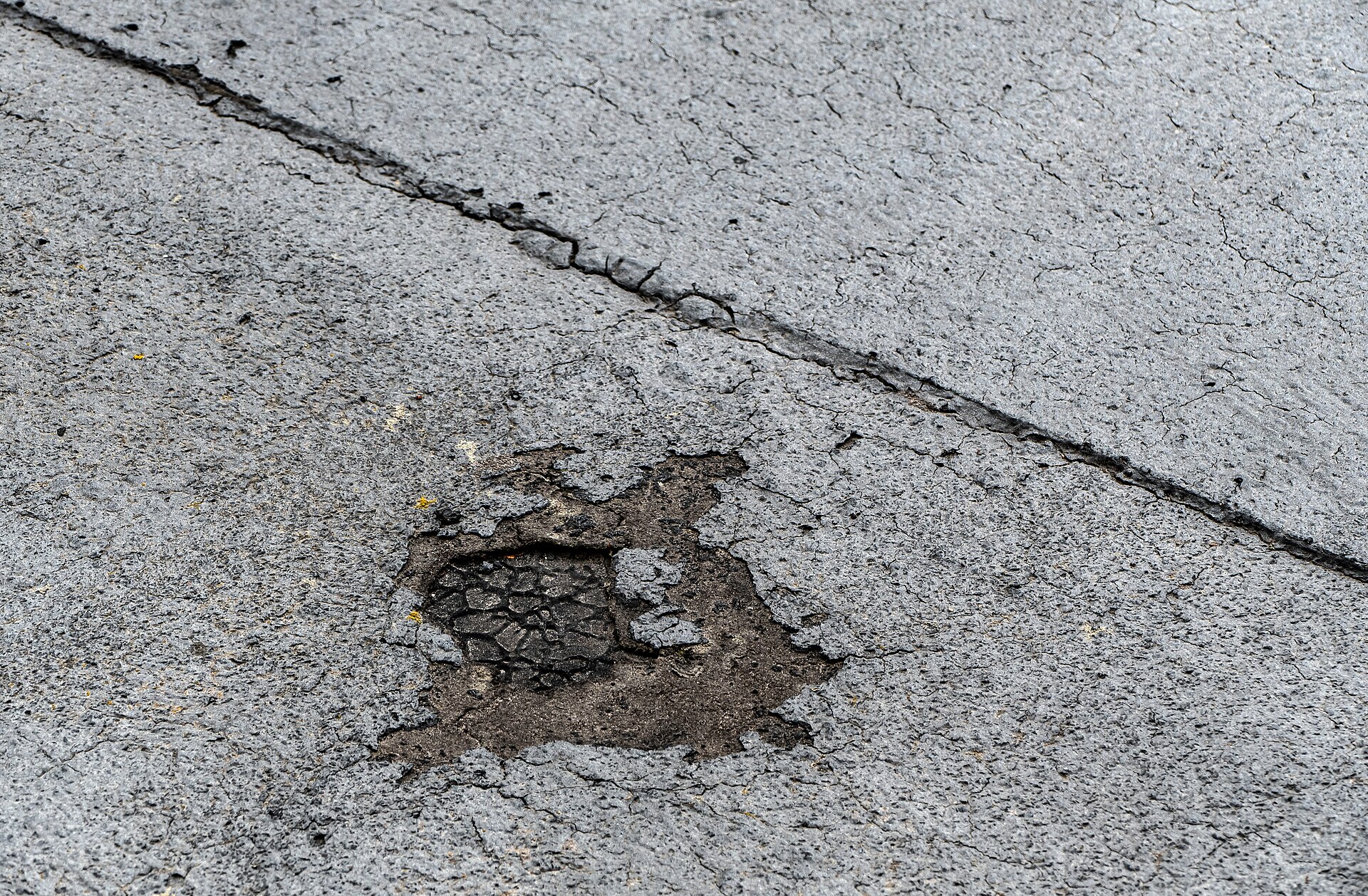
Cracked, blistered, or brittle membrane
Blisters, cracks, and a chalky surface are signs the membrane is aging out. Widespread brittleness across the field usually means replacement is coming sooner than a spot repair can fix.
Failed flashing, edges, and coping
Where the roof meets walls, curbs, and the parapet is where water tries hardest to get in. A lifted edge or open coping joint leaks fast in wind-driven rain.
Damage around rooftop equipment
HVAC curbs, vents, and pipe penetrations are high-risk spots. Service traffic and worn pitch pockets open small paths that grow over time until they show up as a ceiling stain below.
Seeing any of these on your building? A phone call is the fastest way to sort out how serious it is.
Call 940-233-7132Repair or replace? The factors that decide it
There is no single answer. It comes down to how much sound roof is left, how the failures are spread out, and where the building is in its budget cycle. A roof inspection puts real detail behind the choice instead of a guess.
Repair usually fits when
- The leak or damage is in one area, not spread across the roof
- Seams, flashing, or a curb failed but the membrane is still sound
- The insulation underneath is dry and has not been soaked
- You need it watertight now and want to plan larger work later
Replacement is worth pricing when
- Leaks keep coming back in different places after repairs
- The membrane is brittle across the field or near end of life
- Moisture has gotten into the insulation over a wide area
- Repair costs are stacking up toward the cost of a new system
Other things that tip the decision
- Roof age. A roof in the last few years of its expected service life is often better replaced than repaired again.
- Wet insulation. Water trapped in the insulation will not dry out on its own and keeps feeding leaks, which pushes toward replacement.
- Heat load. An older dark roof runs hot. A reflective new system or a coating can cut rooftop heat load in the summer months.
- Budget timing. Sometimes a solid repair is the right move to hold a roof until a capital project year.
Not sure which way to go? Get a roof inspection or call 940-233-7132 and we will talk it through.
Inspections and preventive maintenance
The cheapest roof work is the work you do before a leak. Regular inspections and simple upkeep are how a commercial roof reaches its full service life instead of failing early.
What a good commercial roof inspection covers
A useful inspection looks at the membrane field, the seams, the flashing at walls and curbs, the penetrations, the edges and coping, and the drains. The goal is to find the small failures that have not leaked yet, so you can plan the fix instead of reacting to it after a ceiling tile falls.
What preventive maintenance includes
Maintenance keeps a sound roof sound: clearing drains so water actually leaves the roof, resetting flashing and pitch pockets before they open up, checking the roof after major storms, and clearing debris that traps moisture and wears the membrane around rooftop units.
- Roof inspectionsKnow the real condition before you budget.
- Roof maintenanceKeep a good roof from becoming an emergency.
- Call 940-233-7132Or talk through what your roof needs.
TPO and other low-slope roof systems
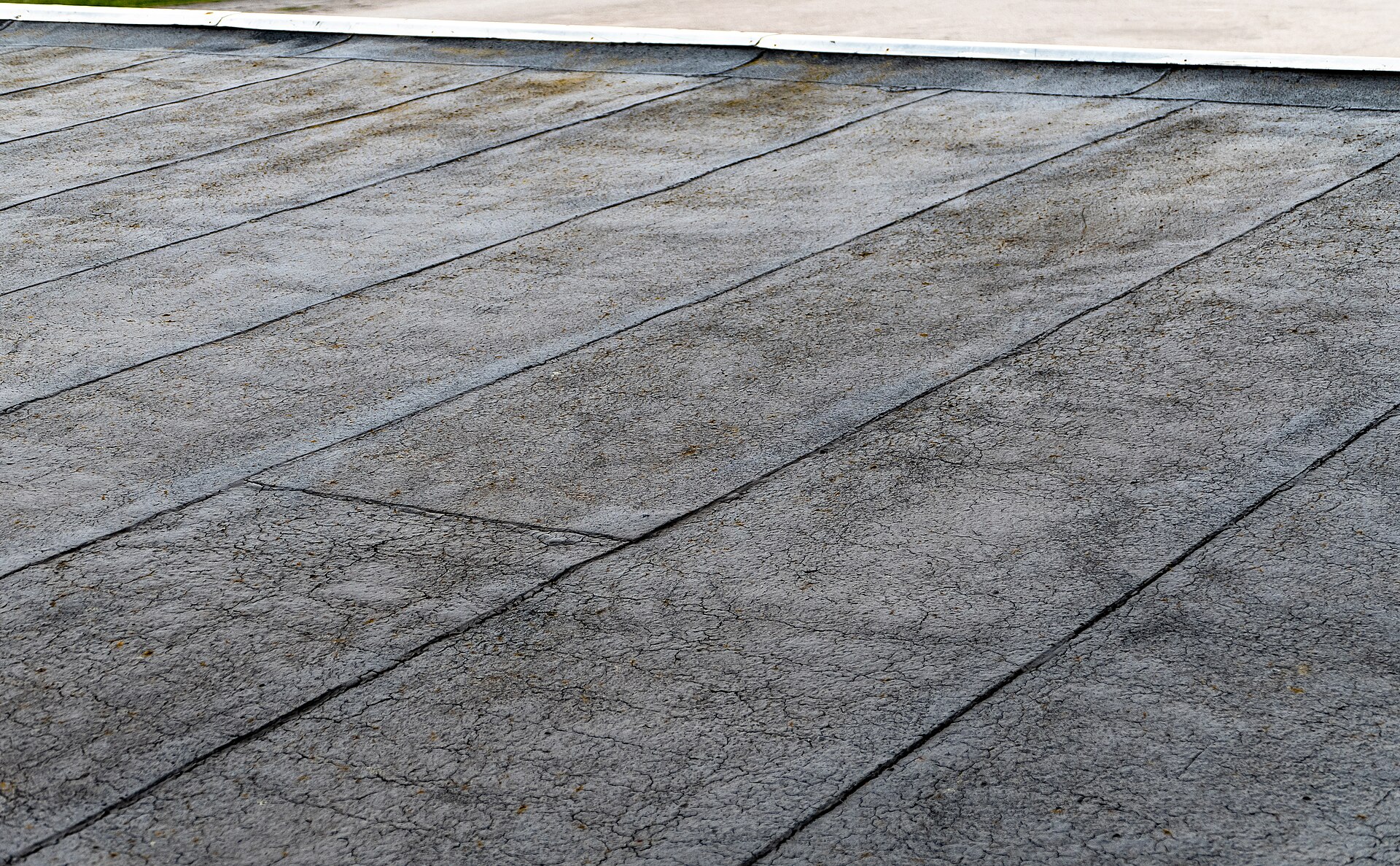
Denton commercial roofs are mostly single-ply and other low-slope assemblies. The right system depends on the building, the exposure, and how the roof is used. We repair and install the common ones and match the choice to your roof.
- TPOReflective single-ply, popular on warehouse and retail roofs for heat performance and cost. TPO roofing.
- PVCSingle-ply that stands up to grease, chemicals, and ponding, common on restaurants and industrial roofs.
- EPDMA durable rubber membrane that holds up over large fields and through wide temperature swings.
- Modified bitumenA multi-ply asphalt system that handles high foot traffic and complex rooftop details.
- MetalStanding seam and low-slope metal where a long-life panel roof fits the building.
- Built-upTraditional layered roofs still found on many older commercial buildings around Denton.
Coatings and restoration, when the roof is a good candidate
A coating is a real option, not a cure-all. On the right roof it can extend service life and cut heat. On the wrong roof it just covers a problem you will pay for later.
Coatings can make sense when
- The membrane is still sound and mostly watertight
- The insulation underneath is dry, not saturated
- You want to add reflectivity and reduce rooftop heat
- You are trying to extend a roof rather than replace it yet
Coatings are the wrong call when
- Water has already gotten into the insulation
- Seams and flashing are failing across the roof
- The membrane is brittle and near the end of its life
- You need a leak fixed, not a surface sealed over
The honest answer depends on the roof. Read more about coatings and restoration, or ask us to look before you spend on one.
How Denton and North Texas weather works on low-slope roofs
The corridors along I-35E, I-35W, and Loop 288 are full of warehouse, distribution, retail, office, and light-industrial buildings under low-slope roofs, and the North Texas climate is hard on them in specific ways.
- Heat and thermal cycling. Hot summers expand and contract the membrane every day, which works seams, welds, and fasteners loose over a season.
- Hail and wind. North Texas storms bruise membranes and lift flashing and edge metal, often without obvious damage visible from the ground.
- Standing water. Heavy rain plus clogged drains and low spots leaves water sitting on the roof, one of the fastest ways to age a low-slope system.
- Rooftop equipment. HVAC units and the service traffic around them concentrate wear in spots that are easy to overlook until they leak.
What building owners should keep on file
A little paperwork saves real time and money the next time something needs attention. These are worth keeping wherever you keep other building records.
- Roof age and system typeKnow when the current roof went on and what system it is (TPO, EPDM, modified bitumen, metal, or built-up). That single fact shapes almost every repair-or-replace conversation.
- Inspection and repair historyDates, findings, and what was fixed. A pattern of repairs in the same area is useful evidence when you are deciding whether to keep repairing or plan a replacement.
- Storm and drainage notesWhich storms caused visible issues, and where water tends to pond after heavy rain. This history helps target the next inspection instead of walking the whole roof blind.
If you do not have this on hand, a first inspection is a reasonable place to start building the record.
Questions to ask a commercial roofer
Whoever you call, these questions help you compare roofers and understand what your building actually needs before you spend on it.
- Is this a repair or a replacement, and why? A useful answer points to the roof's age and condition and how the failures are spread out, not just a price.
- What roof system is up there? Knowing whether it is TPO, EPDM, modified bitumen, or another low-slope system lets you compare bids on equal footing.
- Will a coating really help my roof? Coatings fit a sound roof with dry insulation. Ask what happens if moisture is already trapped underneath.
- Can you show me the problem areas? Ask to see the spots that need work and to have each finding explained in plain terms.
How to get started
No mystery and no pressure. Reach out and we take it one clear step at a time.
Call or request
Reach us by phone or send the short request form with a few details about the roof.
Talk it through
We discuss what you are seeing and the type of roof, and look at it in person when it makes sense.
Your options
We go over the practical choices so you can decide on the path that fits the roof and the budget.
Commercial roofing FAQs
Straight answers to what building owners and property managers ask most.
Do you work on residential roofs?
No. We focus on commercial and low-slope roofs such as warehouses, retail centers, offices, and industrial buildings across Denton and North Texas.
Should I repair or replace my commercial roof?
It depends on how much of the roof is still sound, how the problems are spread out, and where you are in your budget cycle. A roof inspection gives you both options with the reasoning behind them.
What roof systems do you work with?
TPO, PVC, EPDM, modified bitumen, metal, and built-up roofs, plus coatings over a sound roof. We match the system to the building and how the roof is used.
Is a roof coating a good idea for my building?
Sometimes. On a sound roof with dry insulation, a coating can add service life and cut rooftop heat. If water is already in the insulation or the seams are failing, a coating is the wrong fix.
Why does water pond on my flat roof?
Low-slope roofs are built to drain. Water that sits for more than a day or two usually points to clogged drains, low spots, or crushed insulation, and it ages the roof faster.
What parts of Denton and North Texas do you serve?
Denton and the surrounding North Texas market, including the commercial corridors along I-35E, I-35W, and Loop 288. Our office is at 512 I-35W Suite #75, Denton, TX 76207.
How do I get started?
Call 940-233-7132 or send a short request. Tell us about the building and the roof, and we take it from there.
Talk to a Denton commercial roofer
Call for the fastest answer, or send a request and we will get back to you about the roof.
940-233-7132Denton Commercial Roofing512 I-35W Suite #75
Denton, TX 76207
Serving Denton, Texas and North Texas